Floors that fail fast: lightweight wood, basement fires and the 360
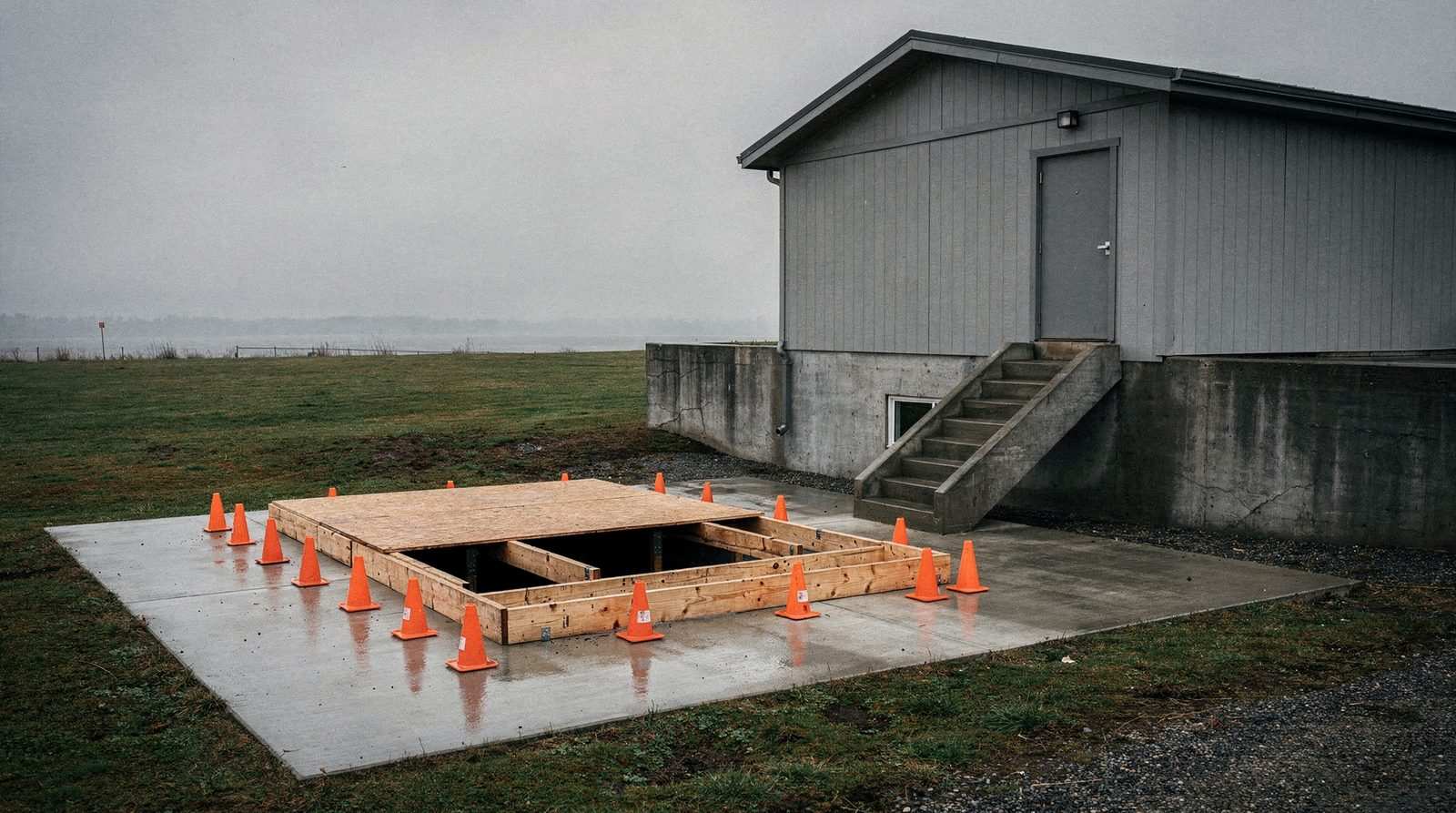
Unprotected engineered floors collapsed in about six minutes in Underwriters Laboratories testing. The numbers change what the 360 has to answer before anyone walks in over a basement fire.
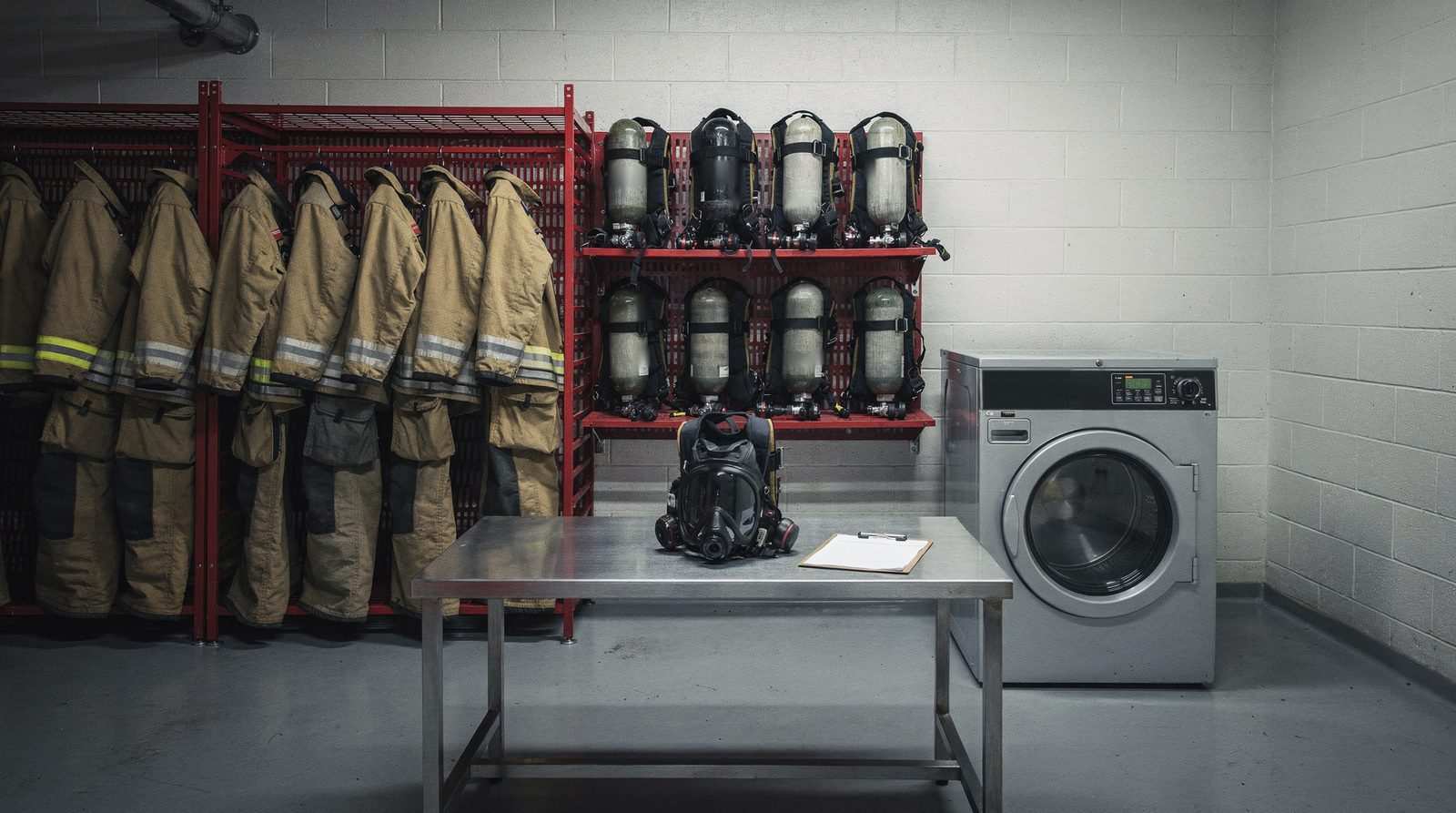
Turnout gear and breathing apparatus come back from lithium-ion battery and energy storage system fires with a different contamination load. An amendment to NFPA 1850 gives officers and gear buyers a size-up for deciding when advanced cleaning is enough and when the gear needs specialized cleaning and testing.
Nine Charleston firefighters died on June 18, 2007. The investigations that followed reshaped how that department runs its fires. The model codes require sprinklers in new furniture stores, and South Carolina turned down Charleston's request to require more.
What the DeKalb County film-studio fire teaches the first-due officer: get water before going deep, open doors only with fire control, stage an on-deck crew early, and pre-plan buildings that have changed use.
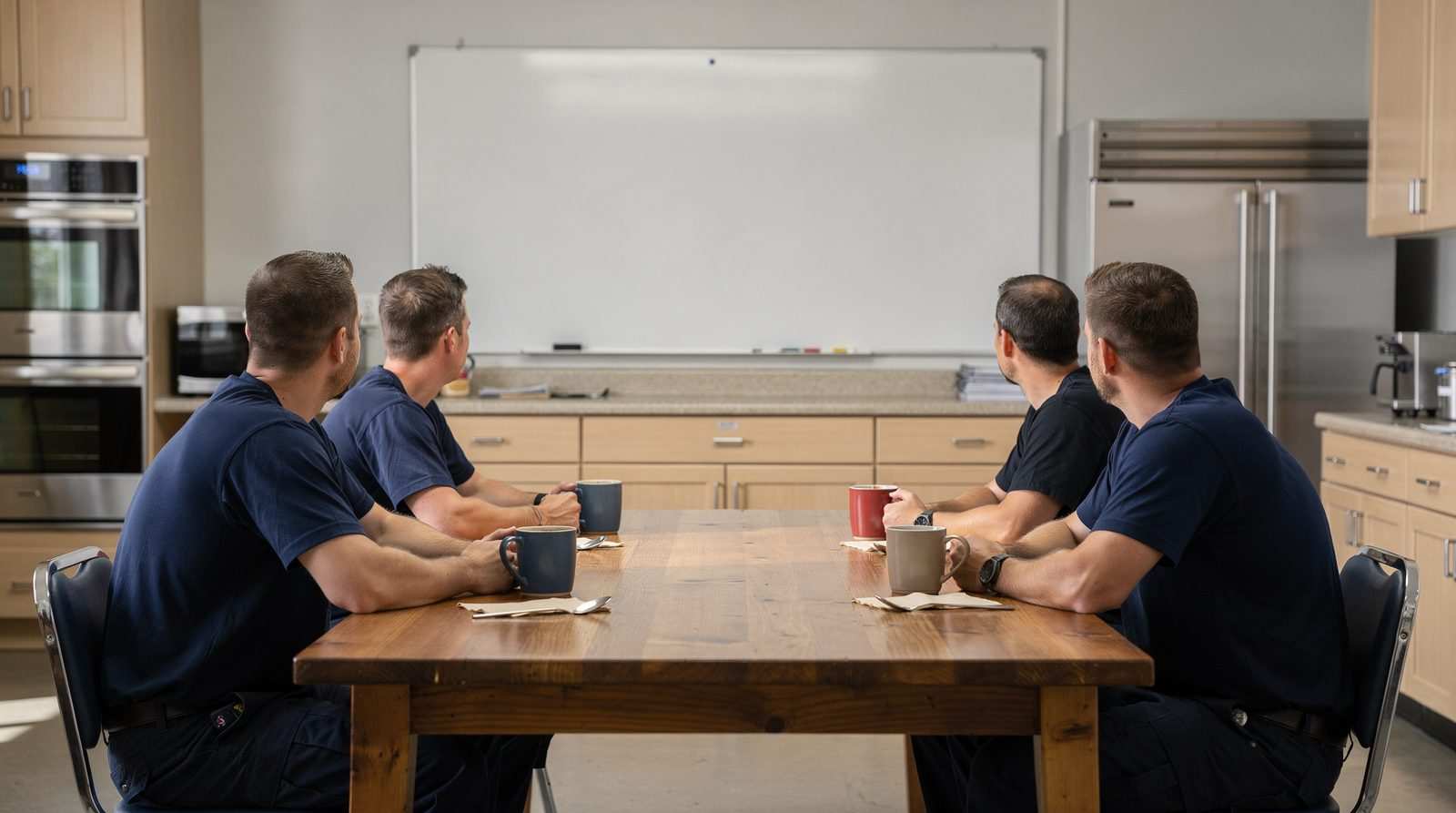
NIOSH now recommends professional development that builds psychological safety on the fireground, and the 4th-edition crew resource management (CRM) manual shows how; here are the scripts, debrief format, and officer habits that get crews to raise a concern while it still matters.
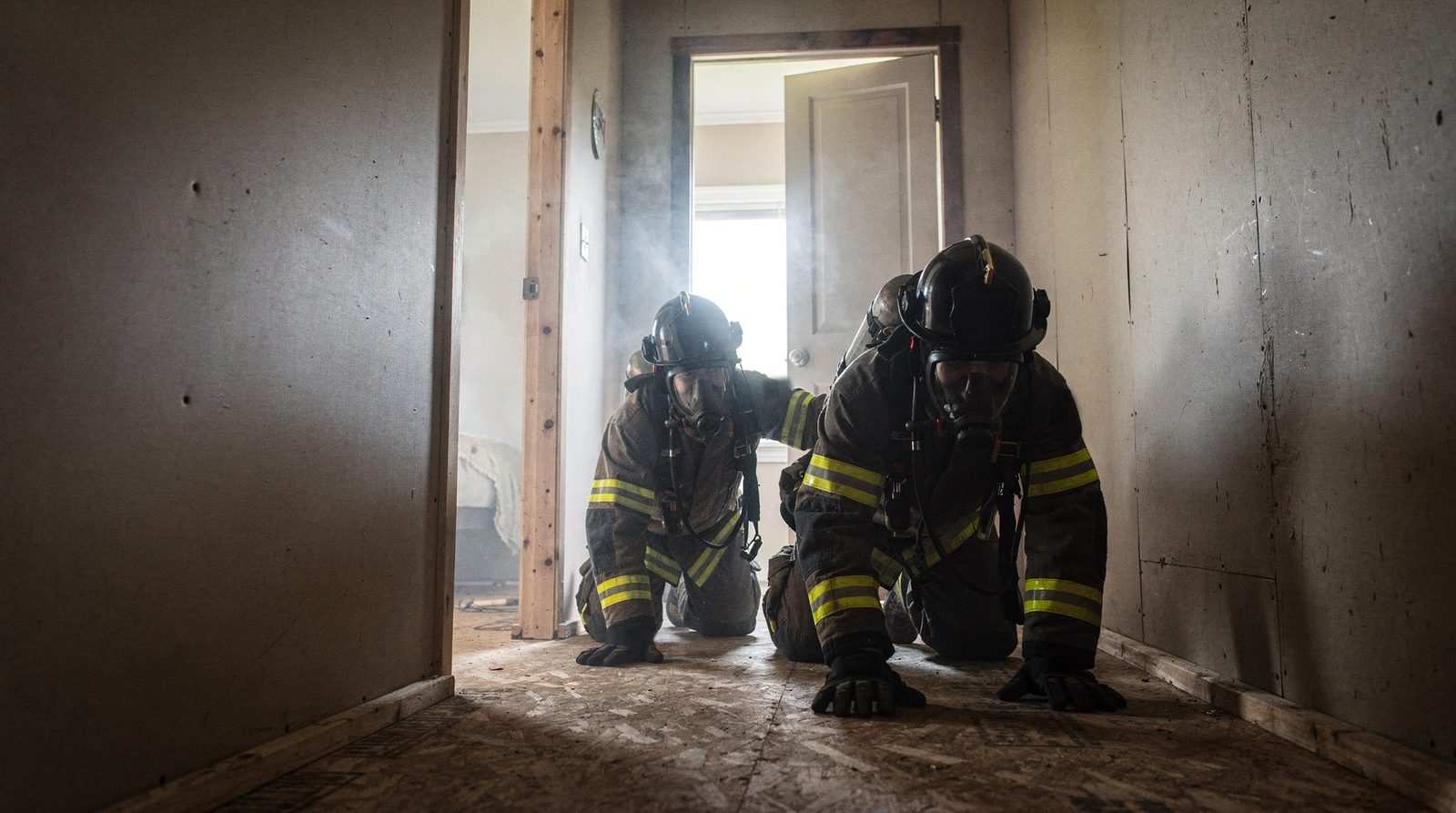
In lab houses and real buildings, a front door pulled back to the width of a hoseline slowed fire growth and kept a closed bedroom survivable. The findings translate into a few decisions for the first-due engine.
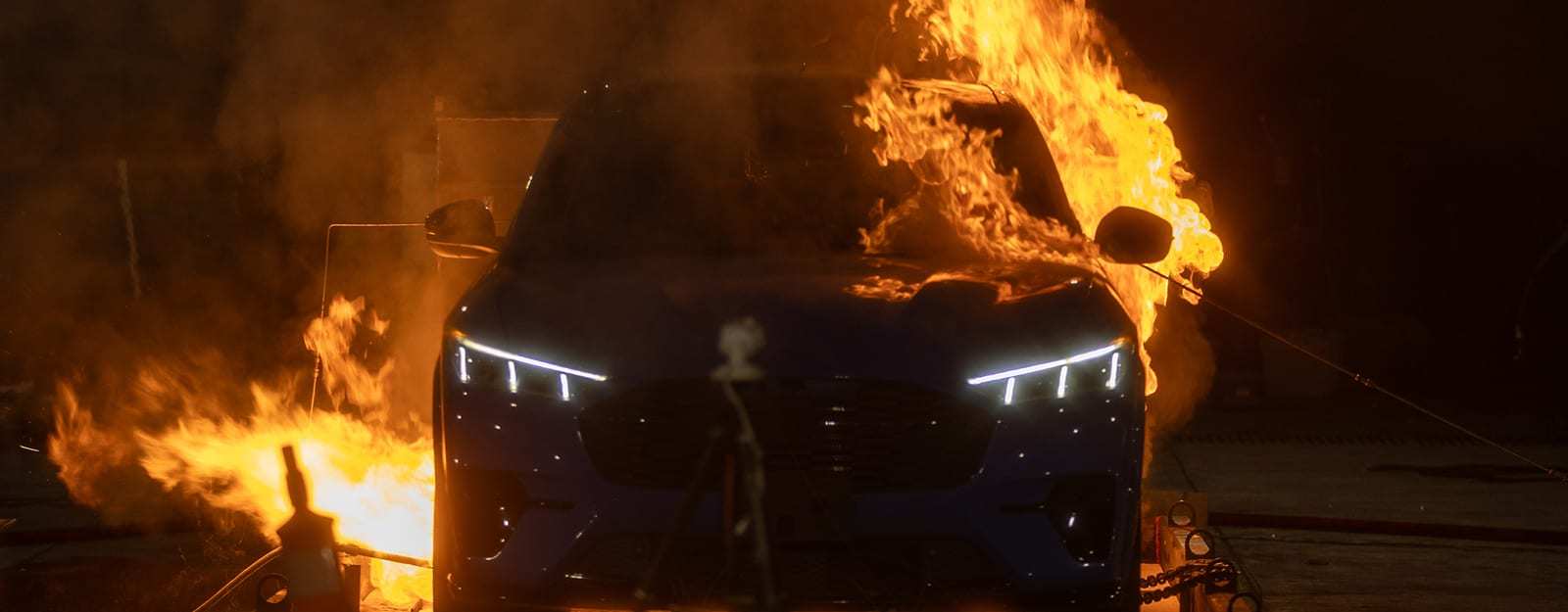
Crash-damaged electric vehicle batteries have reignited on the driveway, on the flatbed and days later in the impound yard. New full-scale research changes how much water to throw and what to tell the tow operator.
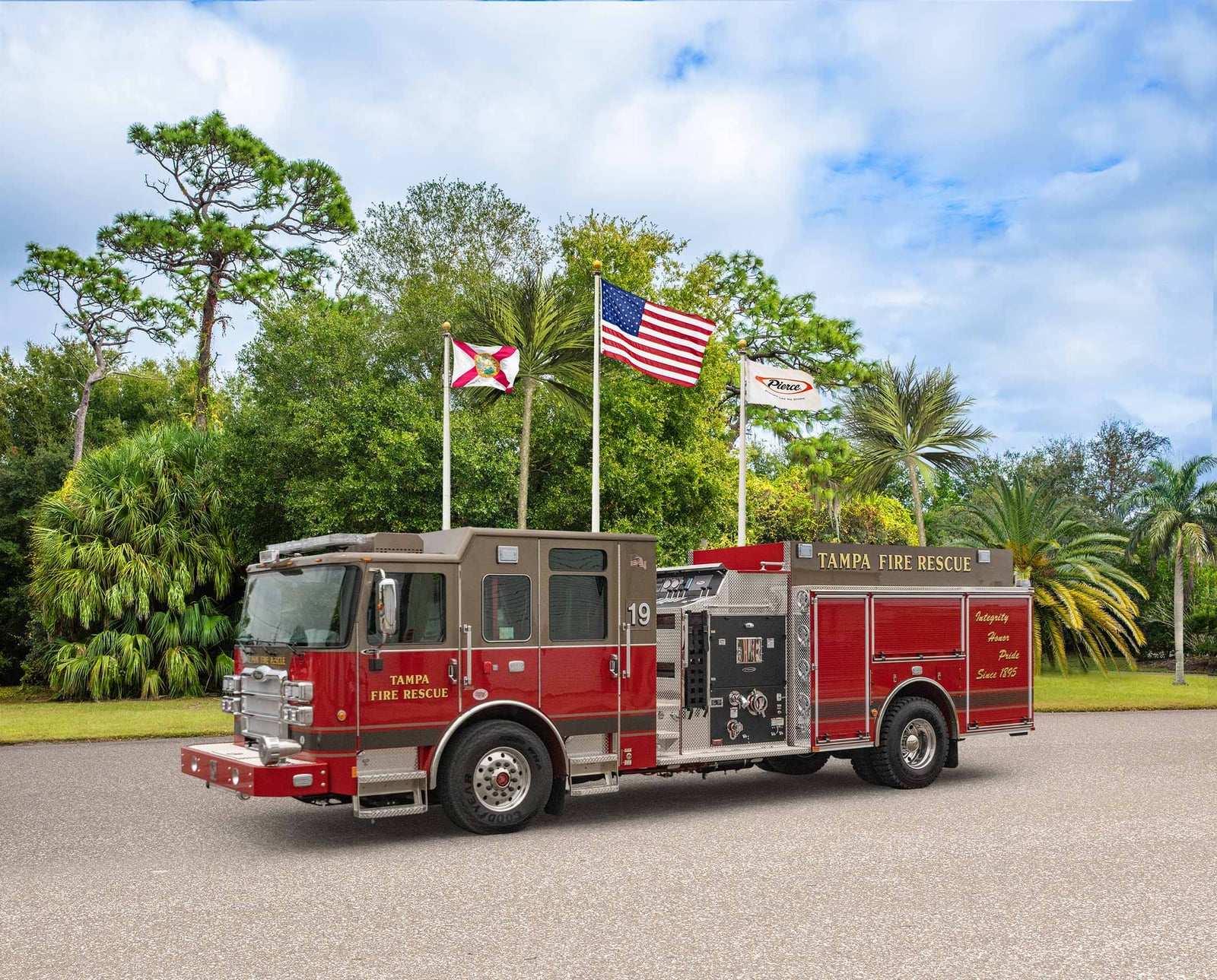
Cities are now paying more than $1 million for custom pumpers, and some come with delivery dates four years out. Departments from Cheyenne to Tampa have taken stock and demo trucks, and others have priced prepayment or a rebuild.
UL's Fire Safety Research Institute's (FSRI) April 2026 Search & Rescue course refresh adds three tactical considerations on simultaneous suppression, remote-compartment ventilation, and hydraulic ventilation; here is a drill package that puts them on the training ground with FSRI's own drill sheets, time-to-task sheets, and discussion guides.
NFPA 1850 combines the old 1851 turnout-care and 1852 SCBA-care standards into one document; this program checklist covers what to change in roles, cleaning language, training, records, service life, and lithium-ion battery decon.
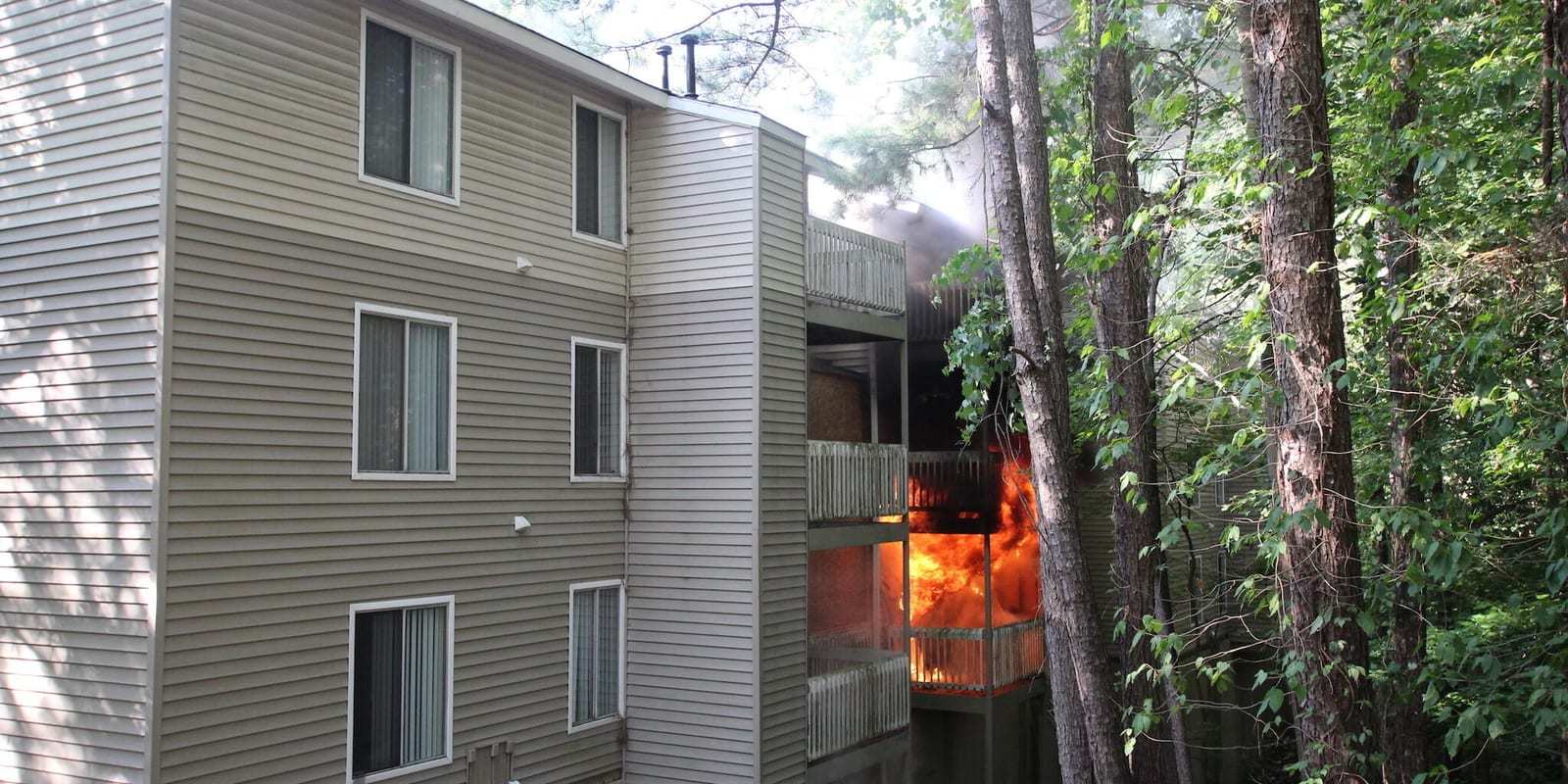
NIOSH's investigation of a floor collapse that injured four career firefighters at an abandoned residential fire lists eight contributing factors; each one points to something a department can check, train, or change this week.
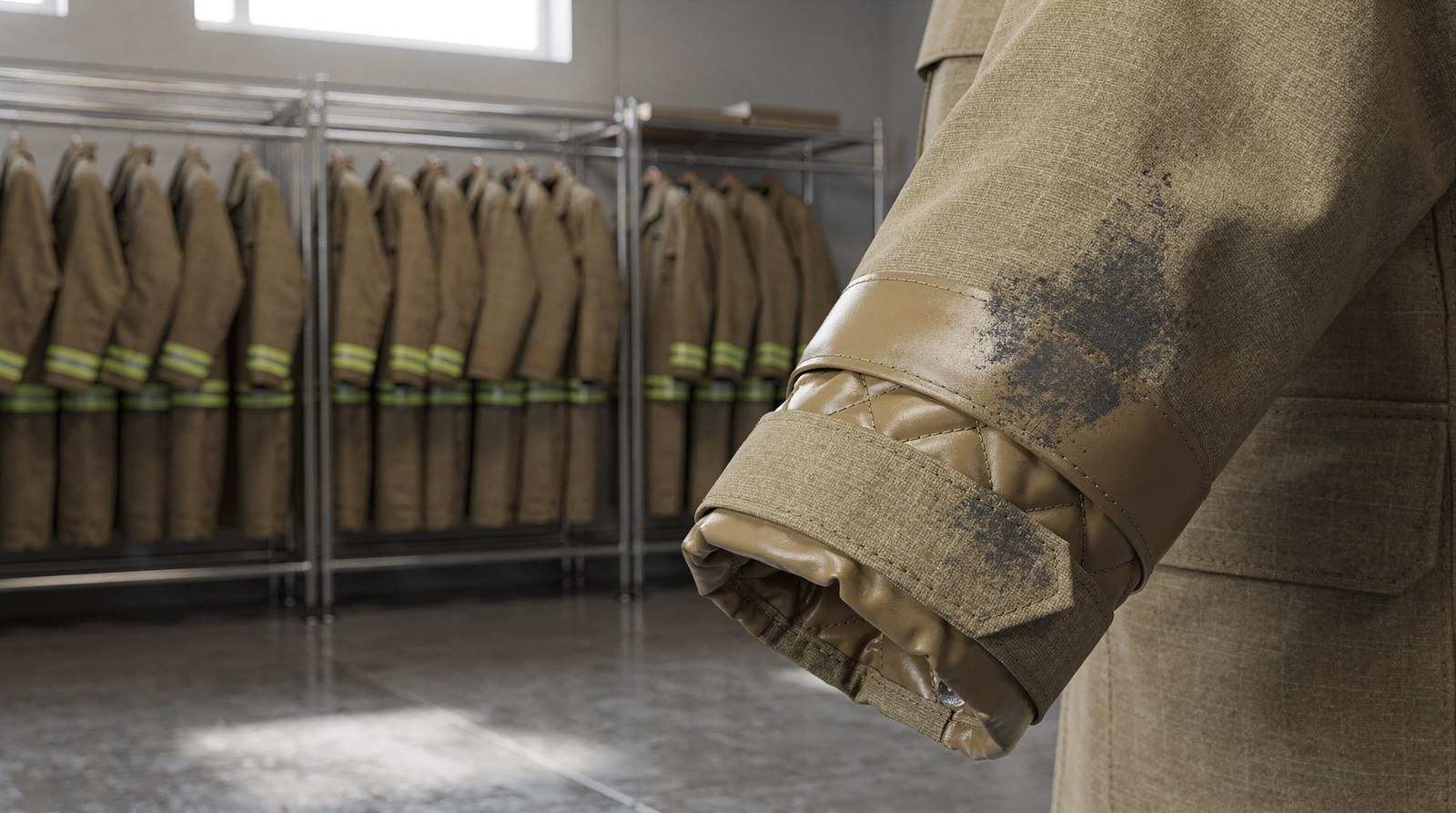
Some departments are paying to swap out every set they own. Others say no replacement is ready yet. The 2025 standard sets chemical limits, but its low-fluorine label covers less of the gear than many buyers assume.
Phoenix's drills after the 2001 Southwest Supermarket fire found that rescuing one firefighter took a dozen more. A Canadian study later timed two-person and four-person teams, and both bear on how you staff a rapid intervention crew.
The United States has about 173,000 fewer volunteer firefighters than it did in 1986, and call volume has more than tripled. Federal recruitment grants brought new members to Pennsylvania departments. No published figures show how many stayed.
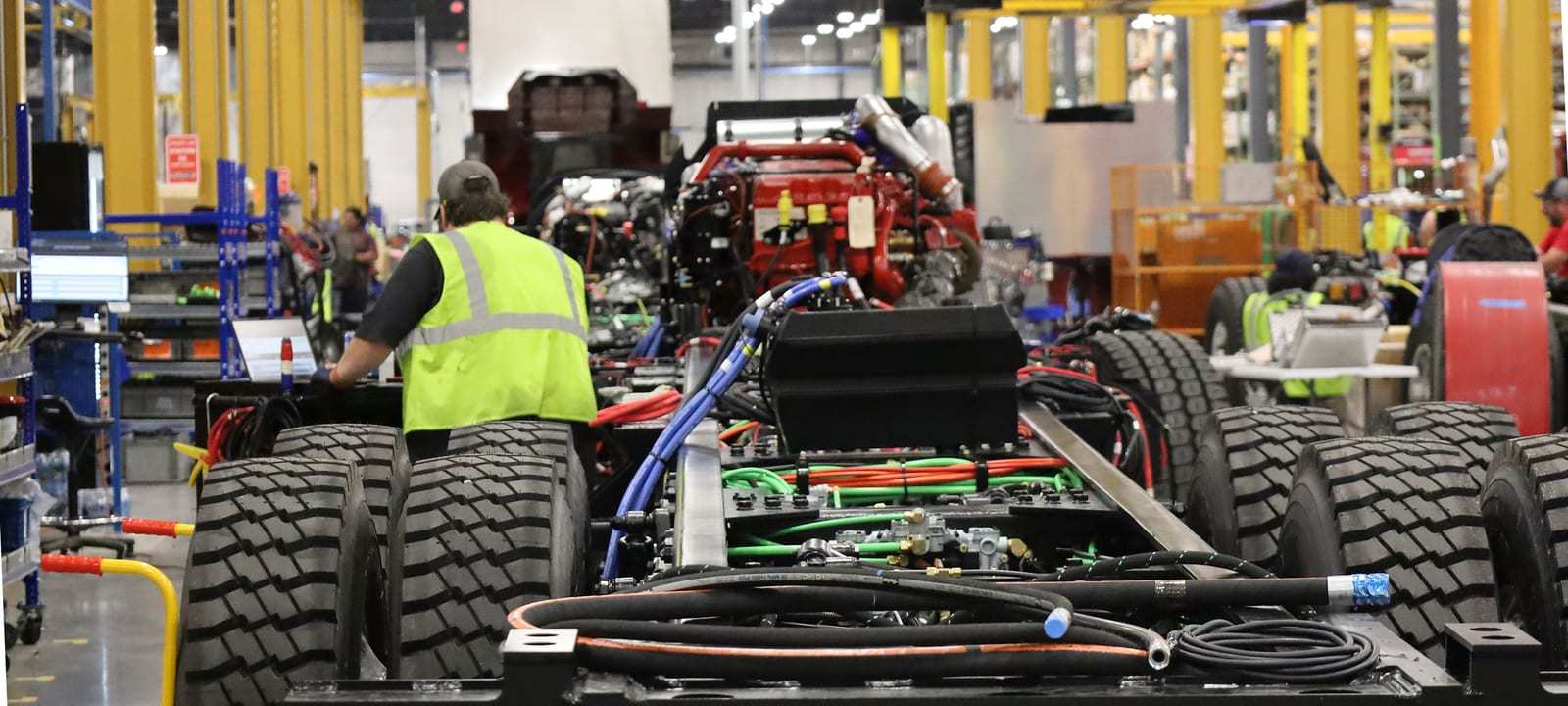
A pair of frame rails cut for one truck, 11 assembly stations and a shift meeting before the work starts. Pierce opened up its chassis line in Appleton, Wisconsin, and it explains a lot about lead times.
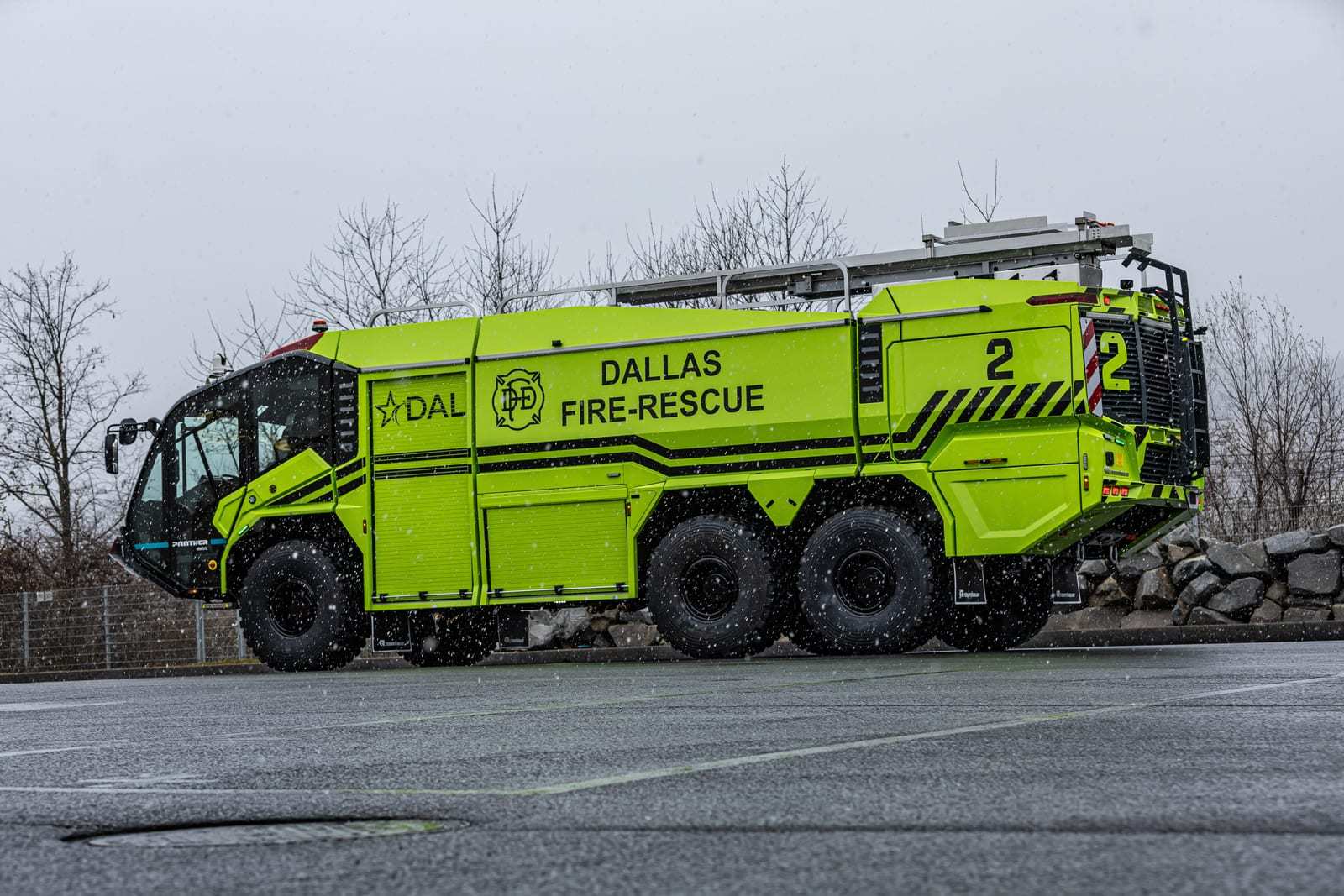
Dallas Fire-Rescue is finishing a six-month test of a battery-electric Rosenbauer PANTHER 6x6 at Love Field's Station 21. The trial should show whether an electric crash truck can stay as ready as a diesel.
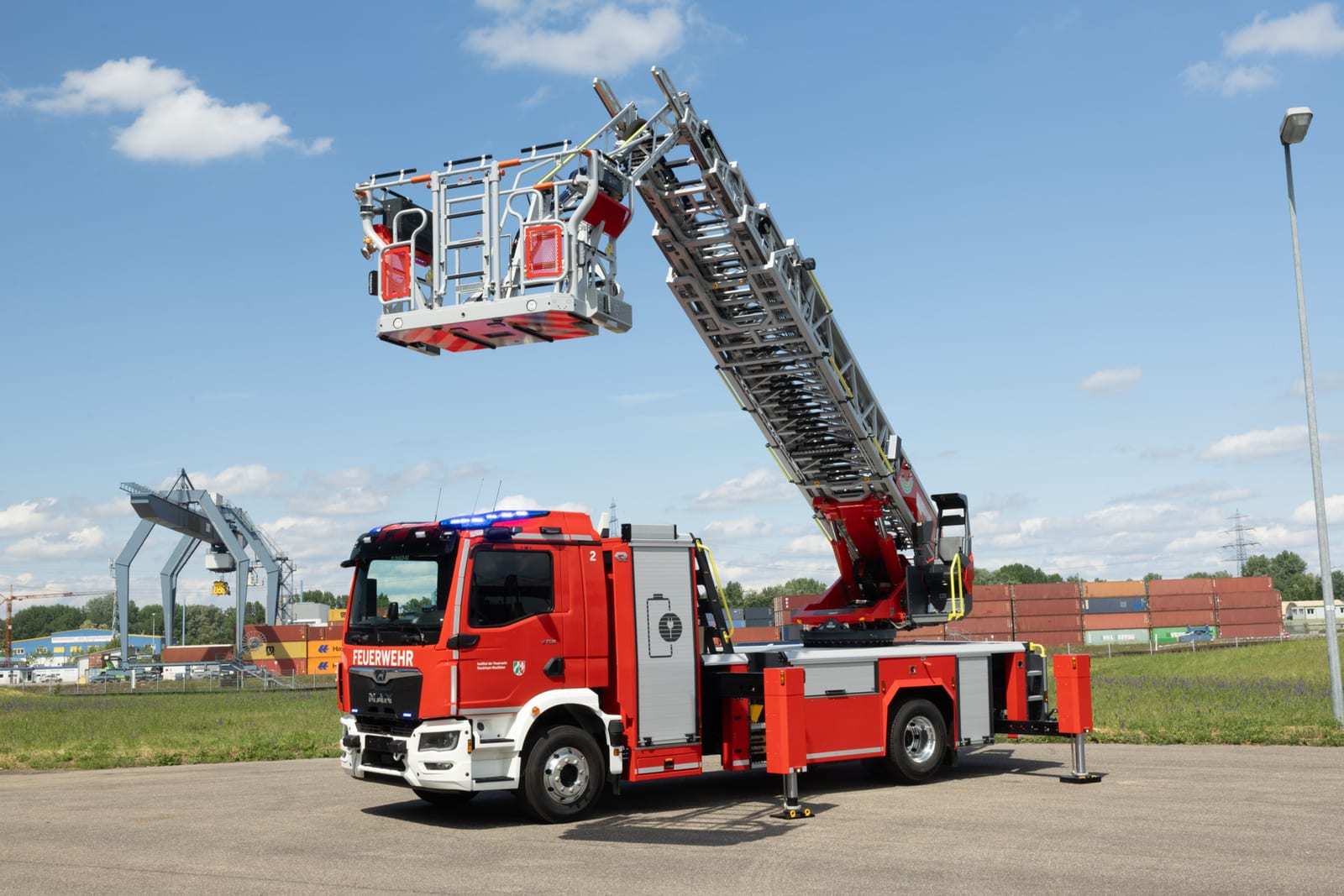
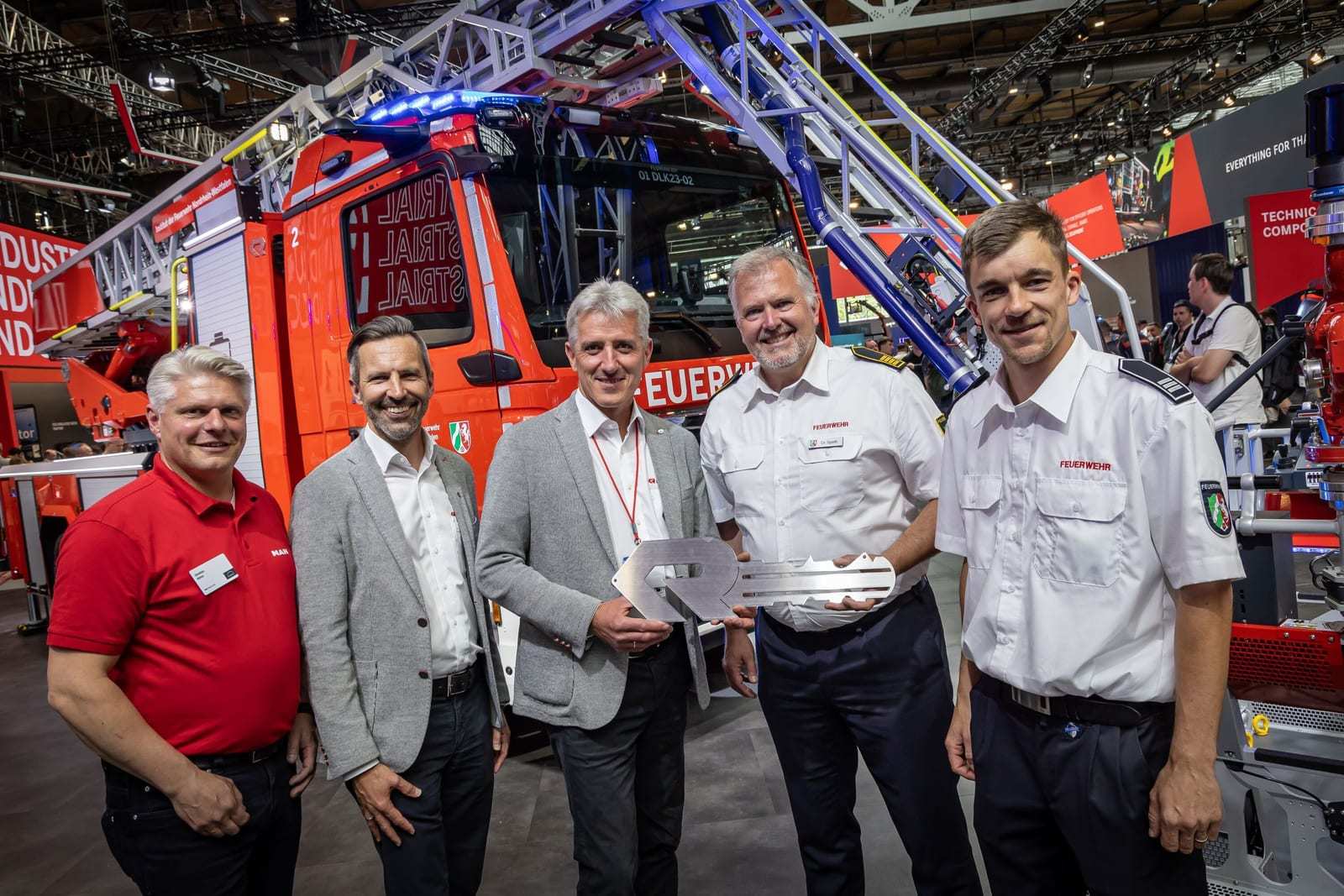
Rosenbauer and MAN built a battery-electric aerial that weighs under 16 tonnes, light enough for German set-up areas that keep heavier ladders out. The first one went to the North Rhine-Westphalia fire institute at Interschutz 2026.
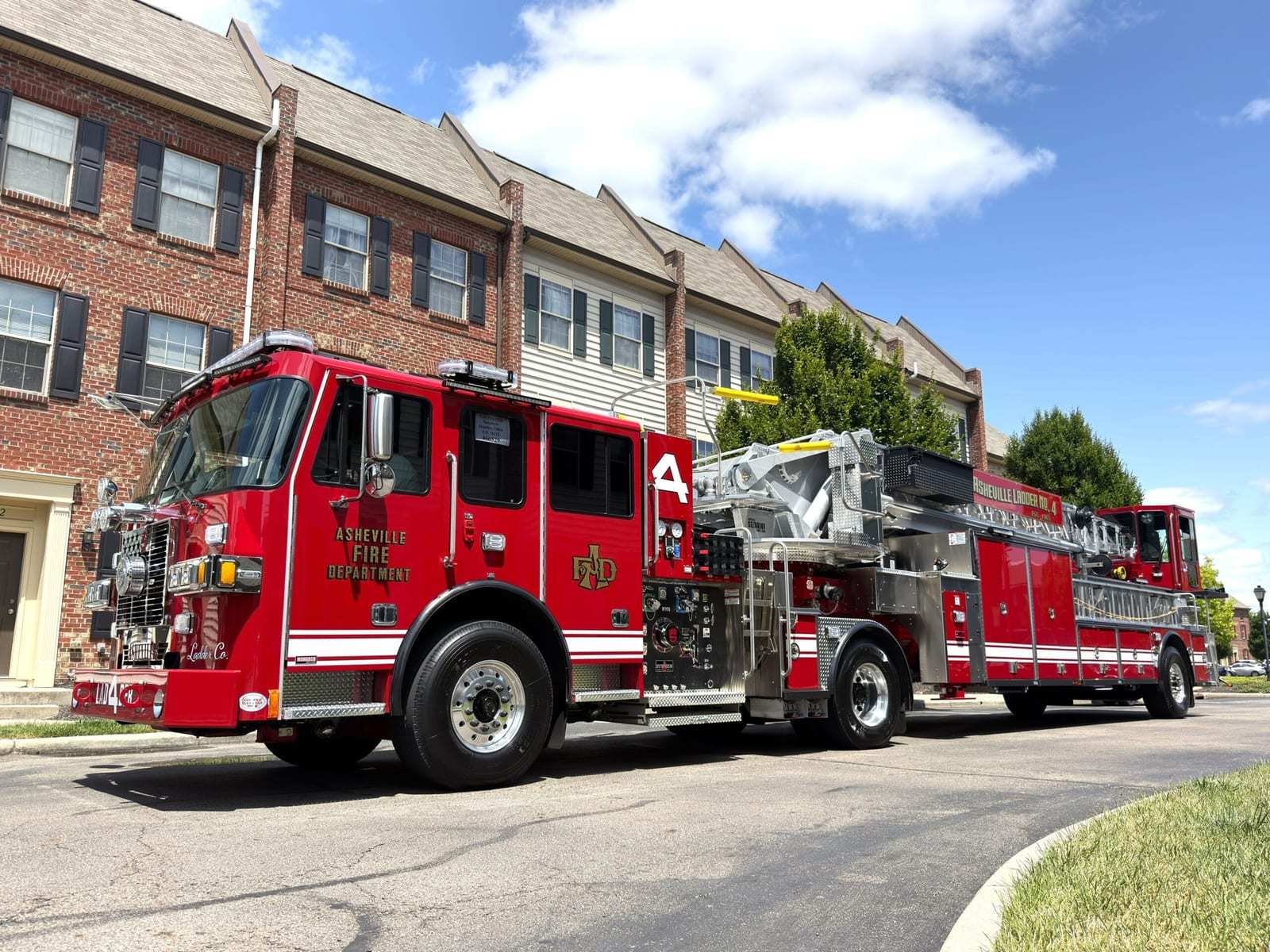
Sutphen's second tractor-drawn aerial gives up four feet of reach to come in nearly four feet shorter than its big brother. Asheville, North Carolina, bought the first one.
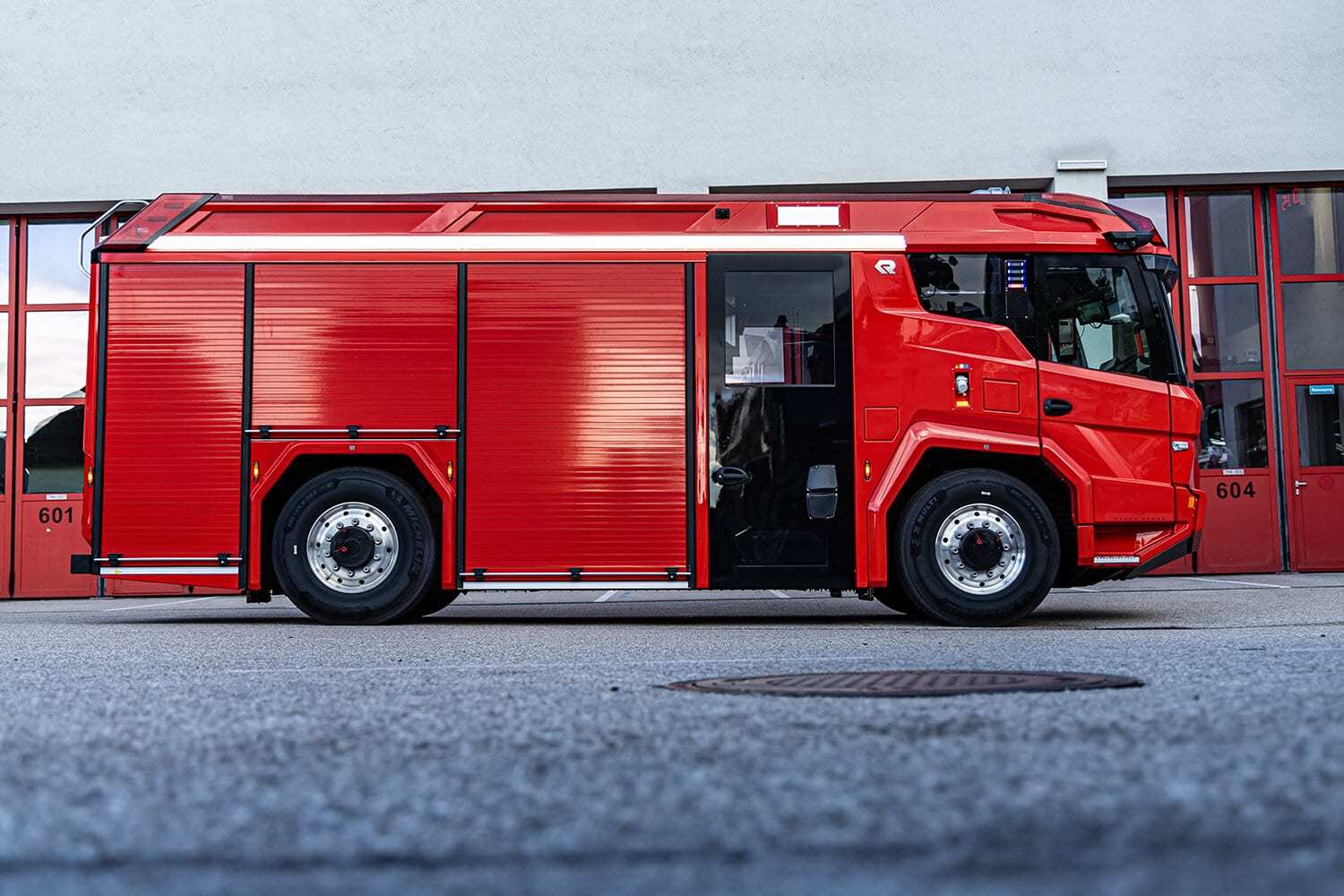
Before a Rosenbauer RT went to work at Hachioji Fire Station, it spent three weeks in acceptance testing in Austria under Japanese inspectors and Tokyo Fire Department officers. Hachioji wanted it for the day Mount Fuji drops ash on western Tokyo.